
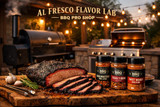
Every seasoned pitmaster knows that great BBQ is a trifecta: high-quality meat, precise fire management, and a potent rub. While we spend hours debating the merits of different wood chunks or the perfect internal temperature for a brisket, the contents of the spice cabinet are often overlooked.
If you are reaching for a bottle of rub that has been open for more than a year, you aren't just seasoning your meat—you are likely sabotaging your cook. Spices don't usually "spoil" in a way that is dangerous, but they do mechanically and chemically fail.
How to Audit Your Spice Cabinet for Peak Performance
Before you start your next cook, put your seasonings through these professional-grade tests to ensure they still have the "punch" required for a championship-level bark.
The Visual Decay Test
Light and oxygen are the primary enemies of dry rubs. UV rays break down the chemical compounds in spices, particularly those that provide color, like paprika and chili powder.
-
What to look for: Inspect the vibrancy of the rub. If a once-fiery red seasoning now looks like a dull, brownish-orange "Arizona dust," the carotenoids have oxidized.
-
The Result: Without those vibrant pigments, your meat will struggle to achieve a deep, mahogany bark, resulting in a finished product that looks grey or unappealing.
The Aroma and Friction Test
Essential oils (like piperine in pepper or capsaicin in chilies) are what provide the actual flavor and heat. Over time, these volatile oils evaporate.
-
How to test: Take a small pinch of the seasoning and rub it vigorously into your palm. The friction heat should release a sharp, immediate aroma.
-
The Result: If you have to put your nose directly against your palm to smell the seasoning, the oils have evaporated. You are essentially rubbing your meat with flavorless sawdust. It’s time to toss it.
The Shelf Life of BBQ Seasoning
Once you crack the factory seal on a bottle of rub, the "flavor clock" begins to tick. While every brand varies, follow these general guidelines for a fresh cabinet:
| Seasoning Type | Estimated Shelf Life (Opened) |
| Ground Rubs & Blends | 6–12 Months |
| Whole Spices (Peppercorns/Seeds) | 2–3 Years |
| Salt-Based Minerals | Indefinite (if kept dry) |
Note: Even if salt doesn't "die," the herbs and aromatics mixed into a salt-based rub will still lose potency at the 6-month mark.
Pro-Tips for Proper Seasoning Storage
To maximize the lifespan of your flavor arsenal, you must protect your spices from the "Flavor Thieves": Heat, Light, and Moisture.
-
Avoid the "Stove Trap": Many outdoor kitchens feature spice racks near the grill or smokers. Heat is a catalyst for oil evaporation. Always store your premium rubs in a cool, dark pantry away from any heat sources.
-
Combat Clumping: If your rub has turned into a solid block, moisture has entered the container. This often happens when cooks shake a bottle directly over steaming meat. The steam enters the shaker holes and wreaks havoc. Pro-Tip: Pour your rub into a separate bowl first, then apply by hand to keep your main supply dry.
-
Tighten the Seal: Oxygen is a "flavor thief." Ensure lids are tightened immediately after use. Even a few hours of exposure to humid air can begin the degradation process.
The Bottom Line
Don't put a high-dollar cut of meat under a low-quality, expired rub. A fresh, high-oil-content seasoning is the difference between a "good" backyard cook and a "legendary" pitmaster performance. If your spices fail the friction test, it's time to clear the shelves and refresh your flavor lab.